DIY Plushies: How to Make Your Own Stuffed Animals at Home

Making your own plush toys is one of the most rewarding crafting hobbies you can pick up — and you don't need to be an expert seamstress to start. Whether you want a custom character that doesn't exist in stores, a meaningful handmade gift, or simply a new creative outlet, DIY plushies deliver on all fronts.
This guide covers everything from choosing your first pattern to advanced techniques for adding personality to your creations. We've broken it down so complete beginners can follow along, while experienced crafters will find tips to level up their plush-making game.
What You Need to Get Started
The beauty of plush-making is the low barrier to entry. Here's your essential supply list:
- Fabric: Minky fabric is the gold standard for plushies — it's soft, stretchy, and comes in dozens of colours. Fleece is a great budget alternative that's easier to sew. Avoid cotton for your first project (it doesn't stretch, making curves difficult).
- Stuffing: Polyester fiberfill (polyfill) is the most common choice. For weighted plushies, add plastic pellets to the base before filling with polyfill.
- Thread: Heavy-duty polyester thread in a colour matching your fabric. Avoid cotton thread — it lacks the stretch needed for plush seams.
- Needles: Ball-point sewing machine needles for stretch fabrics, plus hand-sewing needles for closing gaps and adding details.
- Safety eyes: Plastic safety eyes with washers give a professional finish. Sizes 9mm–15mm work for most projects. For children's toys, consider embroidered eyes instead.
- Pattern: Start with a free pattern from sites like Cholyknight.com, BeeZeeArt, or Plushie Patterns on Etsy.
Choosing Your First Pattern
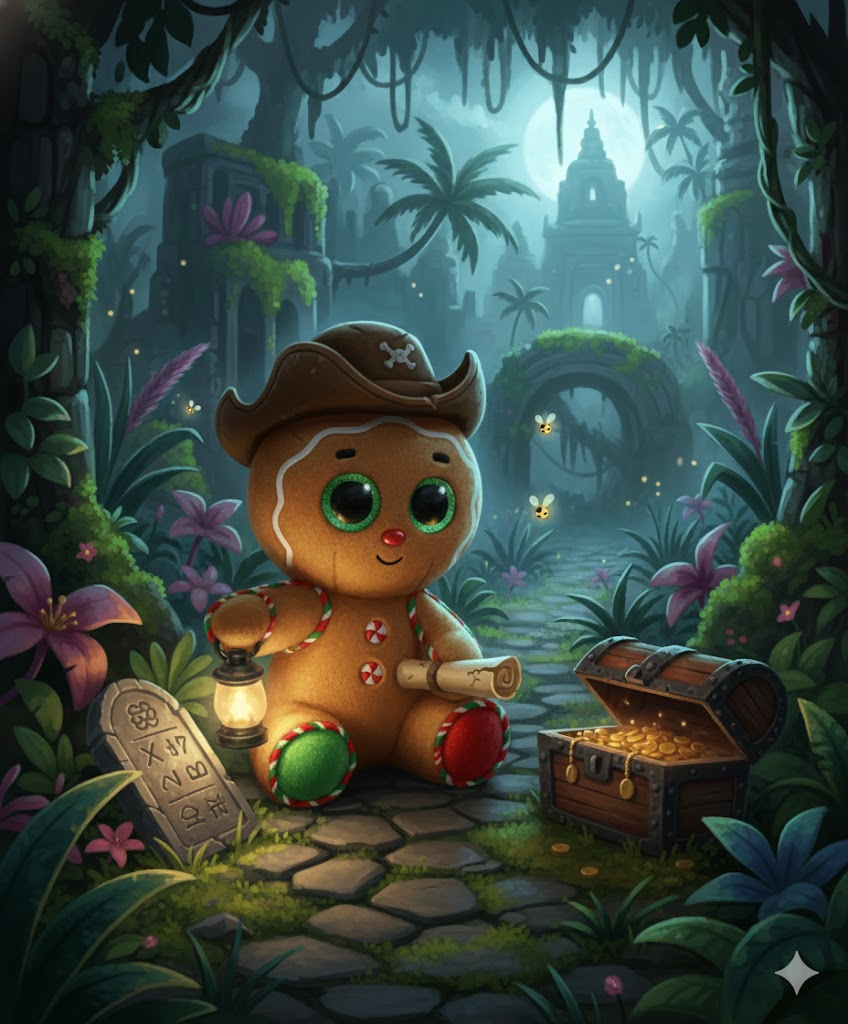
Don't start with a five-piece articulated dragon. Your first plushie should be simple — think round bodies, minimal pieces, and forgiving shapes.
| Difficulty | Best Patterns | Piece Count | Time Estimate |
|---|---|---|---|
| Beginner | Round blob, simple cat, basic bear | 3–5 pieces | 2–3 hours |
| Intermediate | Bunny with ears, sitting animal, star pillow | 6–10 pieces | 4–6 hours |
| Advanced | Articulated dragon, detailed character, jointed bear | 12+ pieces | 8–15 hours |
Pro tip: Make your first plushie from cheap fleece before cutting into expensive minky. Fleece is forgiving and lets you practice technique without wasting premium fabric.
Step-by-Step: Making a Basic Plushie
1. Cut Your Pattern Pieces
Pin or tape the pattern to your fabric. If using minky, cut from the back side with small scissors to avoid shearing the pile. Mark all notches and dart positions — they're your alignment guides.
2. Add the Face
Attach safety eyes before sewing the body closed. Mark eye positions with pins, push the eye posts through the fabric, and snap the washers on from the inside. This is much harder to do once the plushie is stuffed.
3. Sew the Body
Pin right sides together and sew with a 6mm (¼ inch) seam allowance. Use a stretch stitch or narrow zigzag — a straight stitch will pop when you stuff the plushie. Leave a 5–7cm gap for turning and stuffing.
4. Turn and Stuff
Turn right-side-out through the gap. Use a chopstick or stuffing tool to push out corners and curves. Stuff firmly but not rock-hard — you want the plushie to be huggable. Fill extremities (ears, limbs) first, then the body.
5. Close the Gap
Use a ladder stitch (also called a hidden stitch) to close the opening invisibly. This is the one hand-sewing skill every plush maker needs to master.
No-Sew Options for Beginners

Not ready for a sewing machine? You can still make plushies:
- Sock plushies: Turn a single sock into a bunny, cat, or octopus using stuffing, rubber bands, and a few hand stitches. Dozens of tutorials on YouTube.
- Felt + hot glue: Cut felt shapes and glue them together. Great for small ornament-style plushies. Not washer-safe, but perfect for display pieces.
- Knit or crochet (amigurumi): If you know basic crochet, amigurumi patterns create beautiful plushies with just yarn, a hook, and stuffing. The community at r/amigurumi is incredibly helpful.
Taking It Further: Advanced Techniques
Once you've made a few basic plushies, try these upgrades:
- Wire armatures: Insert flexible wire into limbs so your plushie can be posed. Use pipe cleaners for small projects or aluminium armature wire for larger builds.
- Needle felting details: Add colour gradients, cheek blush, or fur texture using a felting needle and roving wool. This technique is what separates hobbyist plushies from professional-looking ones.
- Embroidered faces: Replace safety eyes with hand-embroidered features for a softer, more artisanal look. French knots for eyes, satin stitch for noses.
- Weighted bases: Add plastic pellets or glass beads to the base so your plushie sits upright without support.
- Minky fur direction: On high-pile minky, pay attention to the nap direction. Consistent pile direction gives a polished, professional result.
Where to Find Patterns and Inspiration
- Free patterns: Cholyknight.com (excellent beginner-friendly), BeeZeeArt, AllFreeSewing
- Paid patterns: Etsy (search "plush sewing pattern"), Buildabear-style patterns from indie designers
- Communities: r/plushmaking, r/sewing, Facebook groups like "Plushie Makers Unite"
- YouTube channels: BeeZeeArt, Cholyknight, Planet Plush — all offer visual step-by-step guides
Costs: What to Expect
| Item | Cost Range | Lasts For |
|---|---|---|
| Minky fabric (½ yard) | $8–$14 | 1–2 medium plushies |
| Polyester stuffing (1 lb) | $5–$8 | 3–5 plushies |
| Safety eyes (100 pack) | $6–$10 | 50 plushies |
| Thread (1 spool) | $3–$5 | 10+ plushies |
| Basic sewing machine | $80–$150 | Years |
Your first plushie will cost roughly $15–$25 in materials (excluding the sewing machine). Each subsequent one gets cheaper as you build up your supply stash.
Common Mistakes to Avoid
- Under-stuffing: The number one beginner mistake. A floppy plushie looks unfinished. Stuff firmly, then add a bit more.
- Skipping the test run: Always make a prototype in cheap fabric first. You'll catch pattern issues before wasting good material.
- Forgetting seam allowance: If the pattern says 6mm seam allowance, sew at 6mm. Even 2mm off will change the final shape significantly.
- Using the wrong fabric: Woven cotton doesn't stretch. Your stuffed curves will look lumpy. Use knit fabrics (minky, fleece) for rounded shapes.
From Hobby to Side Hustle
Many plush makers eventually start selling on Etsy, at craft fairs, or through Instagram. If you're considering going commercial, keep these in mind:
- Original designs only — you can't sell plushies made from someone else's pattern without permission
- Safety testing is required for children's products (CPSIA in the US, EN71 in the EU)
- Material costs plus 4–6 hours of labour per plushie means pricing needs to reflect the handmade premium
The DIY plushie community is one of the most supportive crafting spaces online. Start simple, be patient with yourself, and remember — every professional plush artist started with a slightly lopsided blob that they loved anyway.
You might also like



Read this guide in other languages: Deutsch · English (UK) · English (US) · Español · Français · Italiano · 日本語 · 한국어 · Português · 中文